


Explore the heart of Lestang 1573, a Renaissance jewel in Sancerre’s golden triangle: its centuries-old history, its legendary 100 % flint terroir, its low-carbon viticultural practices, the union of wine, art and biodiversity, and the modern revival driven by Rémy Graillot.
Origins: 1573, a Founding Date
As early as 1573, records mention a viticultural manor on the flint-strewn slopes—centuries before the AOC Sancerrewas created in 1936—demonstrating the vineyard’s historical preeminence. Medieval texts already cite the “En Fricambault” parcel, famed since 1453 for producing “the finest sweet wines of Sancerre.”
Influential Families
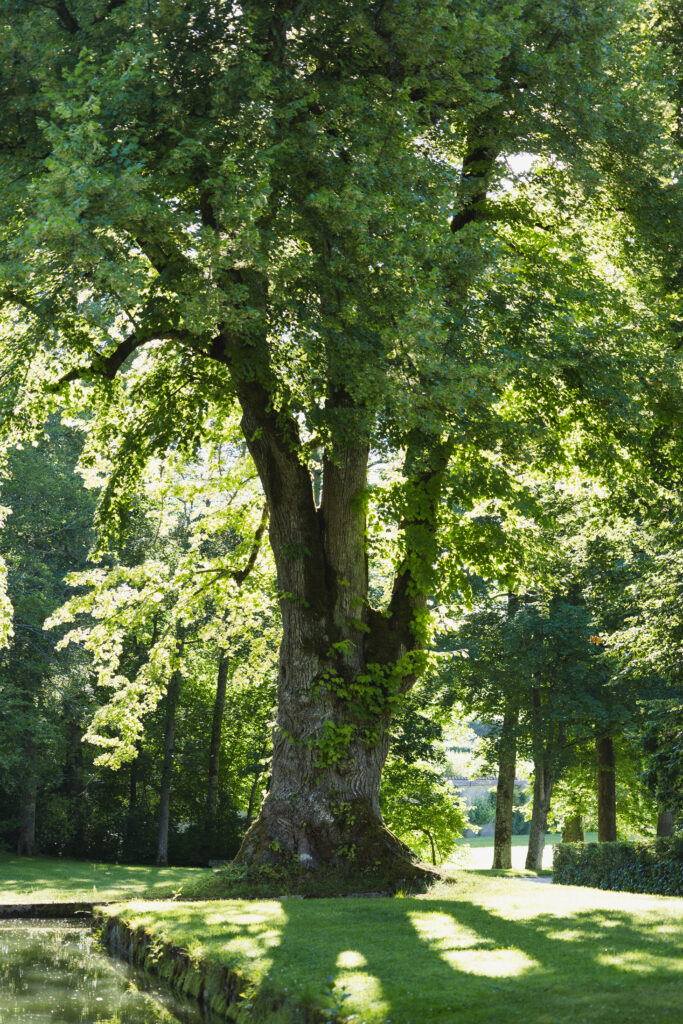
Among successive owners, Jean-Guillaume Hyde de Neuville, Minister under Louis XVIII, stands out; he often hosted his friend Chateaubriand, the “Illustrious Traveler.” The majestic cedar and sequoia in the park still evoke those literary salons.
A 100 % Flint Terroir: Power and Precision
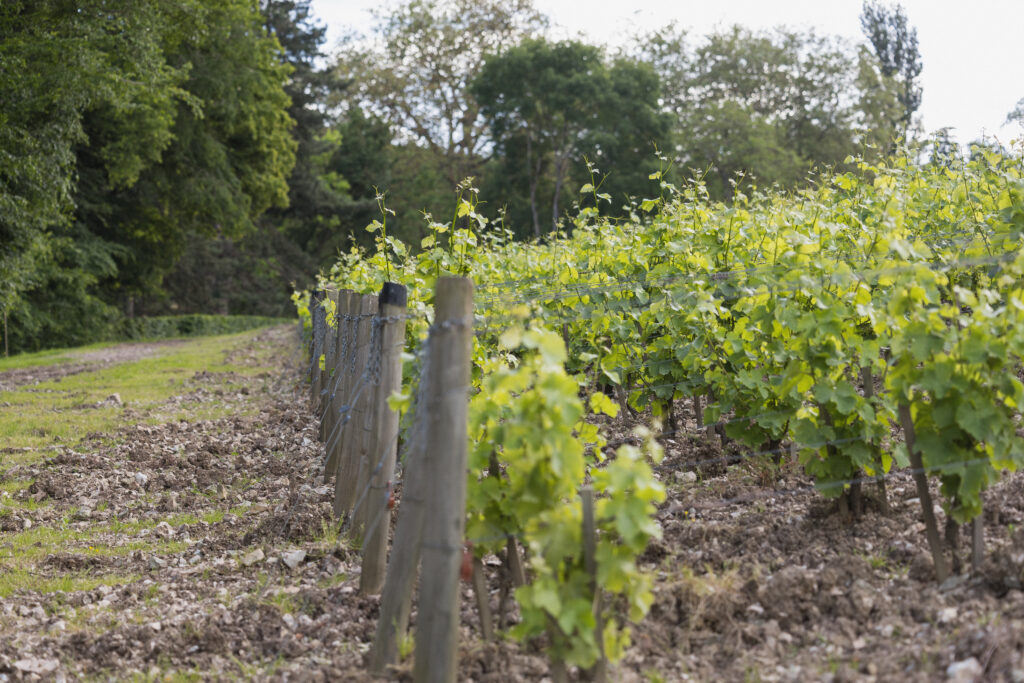
The ten-hectare enclosed vineyard includes three hectares of AOC Sancerre, all planted on flint. This rock stores daytime heat and releases it overnight, accelerating ripening and imprinting the wines with notes of gunflint, citrus and white-fleshed fruits. The principal grape is Sauvignon Blanc, trained Guyot Poussard to respect sap flow and limit frost risk.
Contemporary Renaissance: Rémy Graillot’s Legacy
In 2013, entrepreneur Rémy Graillot acquired the estate and led three years of major restoration: shoring up foundations, converting the orangery into a cellar, and replanting selectively. The work faithfully preserved original Renaissance architecture, with the cellar’s design overseen by curator Joséphine Fossey.
A Sustainable Philosophy
Lestang 1573 became Sancerre’s first independent estate certified Bas Carbone by ADEME (2018). Complementary practices include:
- Eco-grazing: sheep perform gentle weeding, enrich soils and prevent compaction.
- Beekeeping: hives bolster pollination and create a resilient ecosystem.
- Regenerative viticulture: cover crops, hedges and zero herbicides align with France’s regenerative movement.
From Vine to Glass: Exceptional Cuvées
“Tradition”
Aged one year on fine lees in stainless steel, then one year in bottle. The 2022 vintage offers Arlequin candy notes, gunflint and a saline candied-lemon finish—promise of excellent aging.
“L’Illustre Voyageur”
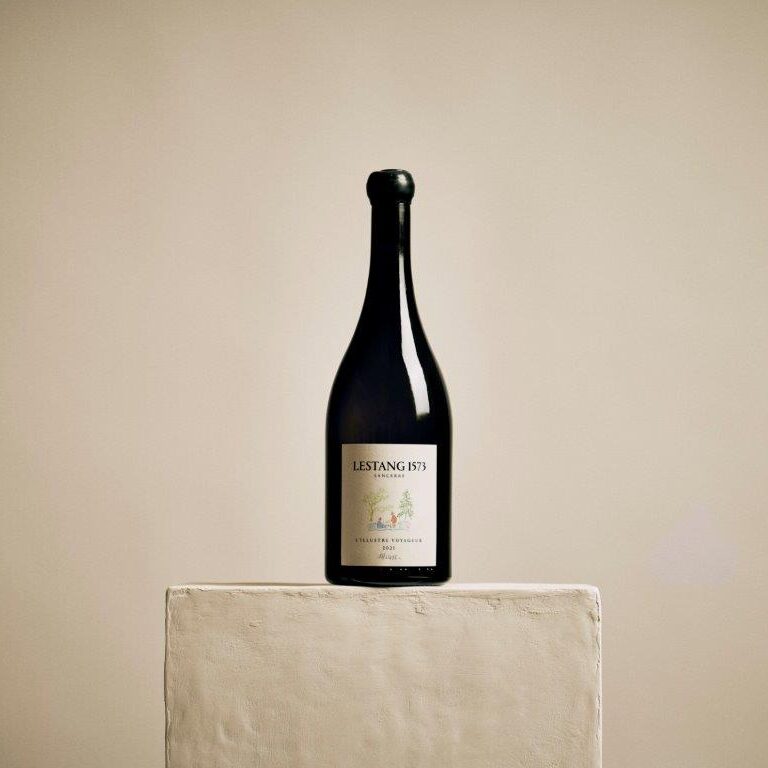
From the oldest vines, gently pressed and aged in demi-muids. The 2022 label by Michael McGregor depicts Hyde de Neuville at the piano and a contemplative Chateaubriand—an artistic nod to the estate’s wine-art dialogue, acclaimed by design press.
Art, Culture & Wine Tourism
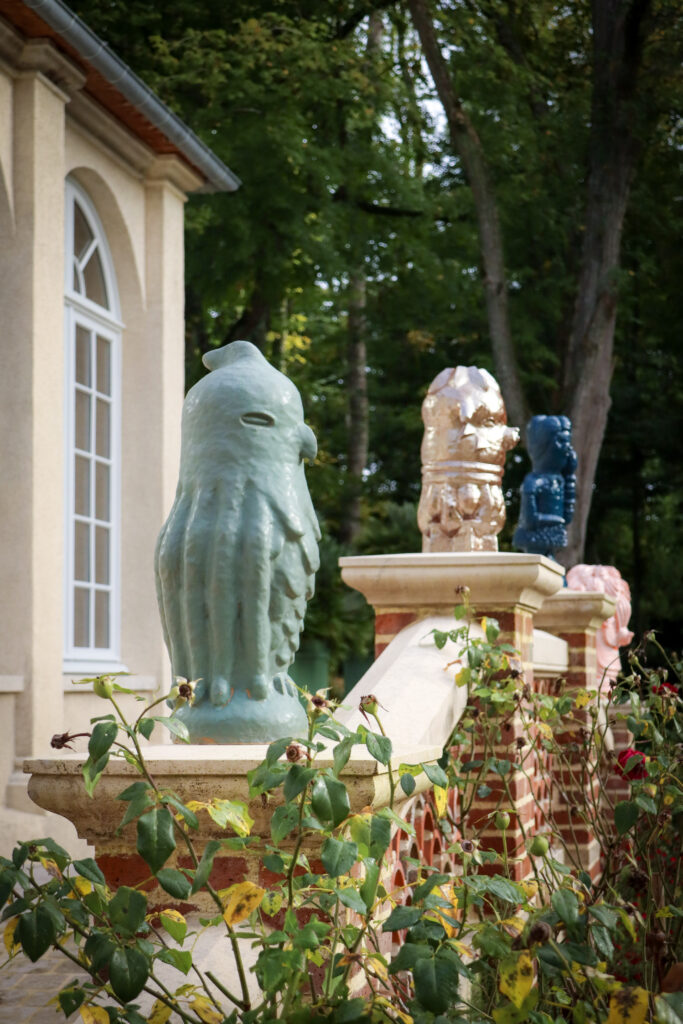
The estate hosts residencies and exhibitions: Laurent Dufour’s monumental sculptures in the park, Jade Fenu’s paintings and literary salons in the cellar—offering a complete “art of living.”
Outdoor tours—park, vineyard, cellar and tasting—are by appointment through the Grand Sancerrois Tourist Office.
FAQ
Why the date 1573?
It marks the château’s first record and underscores commitment to tradition.
How does sustainability affect taste?
Low-carbon and agroecological practices preserve Sauvignon Blanc’s freshness and enhance flint’s mineral signature.
Conclusion: A Remarkable Balance
Château Lestang 1573 blends historic heritage, exceptional terroir and sustainable vision to create wines of vivid finesse. Here, nature, literature and art converge—promising visitors and tasters alike an unforgettable journey under the motto: “Vine, Art and Time.”