


Each year, weather conditions radically reshape the expression of Sancerre blanc. This vintage influence enthralls enthusiasts: why does a 2021 differ so much from a 2022? The answer lies in Sauvignon Blanc’s exceptional sensitivity to meteorological variations.
At Château de Lestang, planted on pure flint in Sancerre’s golden triangle, this climate-wine relationship shows astounding precision. Let’s decode the vintage impact on Sancerre with concrete examples.
Sauvignon Blanc: A Climate Barometer Grape
Why does Sauvignon react so strongly to climate?
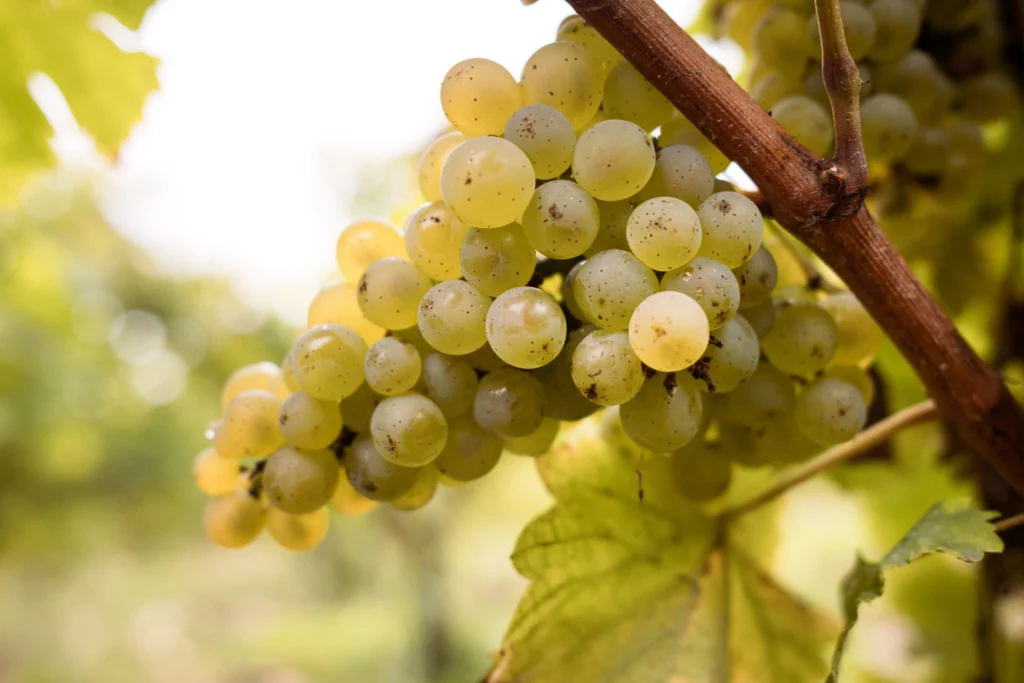
With a short ripening period, Sauvignon Blanc is highly sensitive to temperature shifts, so each Sancerre vintage tells its own climatic story.
Hot Year = Opulent, Fruity Sancerre
Sunny seasons speed ripening, concentrate sugars, and reduce natural acidity. Aromas of yellow fruits—exotic notes, peach, apricot—dominate, with a silky texture. Such vintages often age gracefully for 5–8 years.
Cool Year = Lively, Mineral Sancerre
Cooler seasons preserve acidity and sharpen minerality, yielding citrus-driven aromas—lime, grapefruit, white flowers—and a tense, saline finish. These wines perfect seafood and grilled fish pairings.
The Impact of Rain on Vintage Quality
Dilution: the Enemy of Concentration
Late rains can dilute aromas and weaken flavor. Flint soils drain excess water, protecting berry concentration.
Botrytis: Friend or Foe?
- Noble rot (rare) concentrates sugars and develops complex aromas.
- Grey rot (common) demands rigorous hand-sorting at harvest.
At Lestang 1573, fully manual harvests ensure only the finest grapes are selected, safeguarding each vintage’s quality.
Choosing Your Sancerre by Vintage
For aperitifs & seafood
Opt for cool vintages like 2021, 2019, or 2017—bright, fresh, palate-cleansing:
- 2017: early spring, contrasting heat → balanced acidity & pure white-fruit.
- 2019: cool spring, very hot, dry summer → crisp acidity, intense ripeness.
- 2021: spring frost & cool, wet summer → lively, pure, tense aroma.
For richer dishes
Choose warm vintages like 2022, 2020, or 2018—richer texture, generous fruit:
- 2018: damp spring, very hot summer → concentrated, structured.
- 2020: mild winter, hot dry summer, early harvest → broad structure, expressive.
- 2022: light frost, hot summer with moderate storms → rich fruit, preserved acidity.
Serve cool vintages at 8–10 °C, warm vintages at 10–12 °C.
Our Tasting Recommendations
Lestang 1573 “Tradition”
- Vinification: stainless-steel fermentation with neutral yeasts at controlled temperature.
- Aging: 6 months on fine lees in inox (regular bâtonnage), then 6 months stabilization before bottling.
- 2022: nose of Arlequin candies & pronounced minerality (graphite, gunflint); palate of ripe fruit, vegetal freshness (fennel, herbs), zesty tension with saline notes. Perfect with oysters, sea-bass ceviche, or grilled salmon.
- 2021: delicate citrus & subtle flint on the nose; lively, white-fruit mid-palate, persistent finish. Ideal with grilled fish, seafood platters, fresh goat cheeses (Crottin de Chavignol, Valençay).
Lestang 1573 “L’Illustre Voyageur”
- Vinification: gentle pneumatic pressing.
- Aging: native-yeast fermentation, 12 months in demi-muids with bâtonnage, then 12 months in bottle.
- 2022: nose of fresh bergamot, iodized & gentle toasted-nut notes; palate of demi-muid roundness, measured acidity, buttery-sage nuances. Superb with roasted turbot or porcini risotto.
- 2021: elderflower, green-apple & verbena on the nose; precise, mineral palate with a subtle bitter finish. Ideal with grilled lobster or morel chicken supreme.
Conclusion: Every Vintage a Discovery
Understanding vintage impact greatly enriches your tasting. Each bottle becomes an authentic portrait of a unique year—its trials and triumphs.
Ready to explore this diversity? Discover our latest Sancerre vintages at Lestang 1573 and be surprised by these unique expressions of the Sancerre terroir.