


In the world of fine French white wines, Sancerre and Chablis represent two distinct interpretations of excellence.
The first, a Loire Valley icon, charms with its aromatic freshness and radiant minerality. The second, a jewel of northern Burgundy, impresses with its structure and saline tension.
While both wines share a noble character, their differences are very real.
If you’re torn between these two prestigious appellations, this comparative guide will help you understand their styles, terroirs, and perfect pairings—so you can choose according to your taste and the occasion.
Two regions, two philosophies: Loire vs Burgundy
Sancerre: the pure, aromatic expression of Sauvignon Blanc
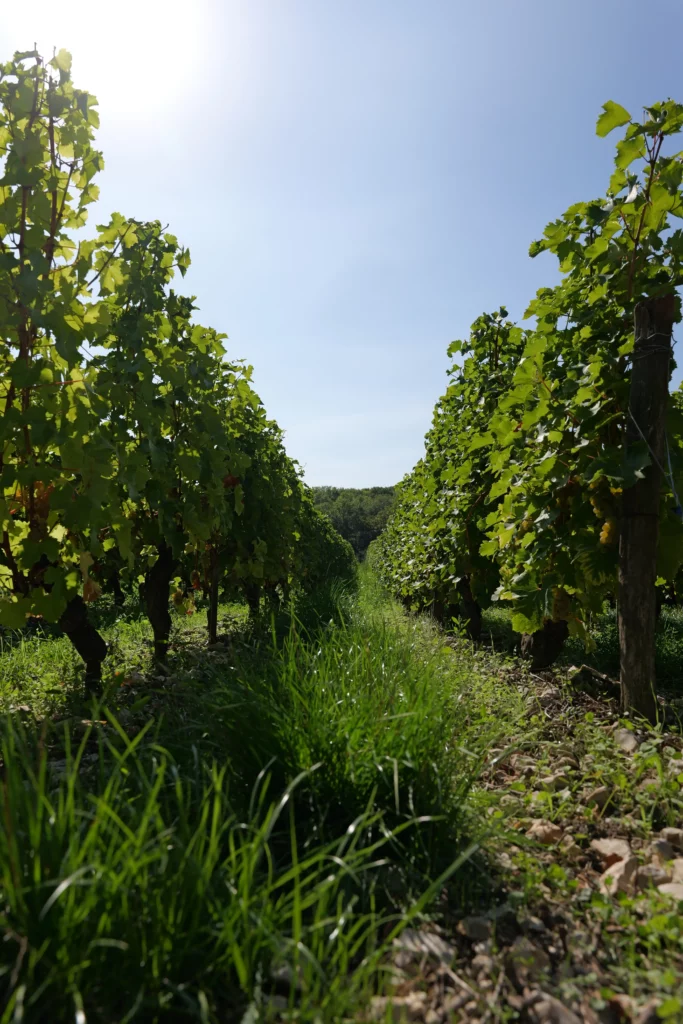
Located on the left bank of the Loire River, the Sancerre vineyard stretches across a mosaic of rolling hills where Sauvignon Blanc thrives with vibrant energy. This signature grape yields crisp wines bursting with citrus, white fruit, and dazzling minerality.
On the region’s flinty sedimentary soils, that tension often takes on a distinctive gunflint note, a hallmark of the terroir.
To explore this grape’s diversity and depth, don’t miss our article on Sauvignon Blanc and Sancerre’s exceptional terroir.
Chablis: the mineral-driven Chardonnay of northern Burgundy
Roughly 150 km to the east, Chablis belongs to Burgundy’s legendary family of white wines.
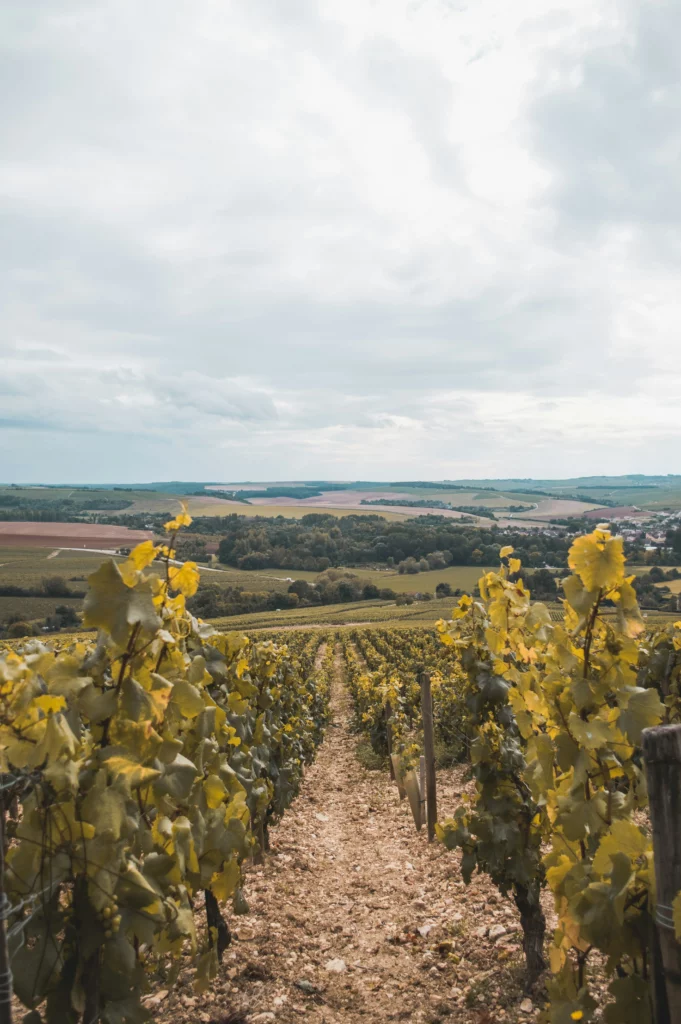
Here, Chardonnay reigns supreme. Grown on clay-limestone slopes rich in Kimmeridgian marl and fossilized marine life, it produces wines of striking precision, with notes of green apple, white flowers, and chalky minerality.
The region’s more continental climate—with cold winters and short summers—accentuates freshness and structure in the glass.
Sancerre vs Chablis: a head-to-head comparison
The terroir: flint and limestone vs marine chalk
- Sancerre: Three main soil types shape the character of its wines.
- Terres blanches: clay-limestone soils known for power and structure.
- Caillottes: stony limestone soils yielding finesse and elegance.
- Silex: flinty sedimentary rock that adds tension, precision, and subtle smoky notes of gunflint.It’s this last soil, found in the heart of Sancerre’s golden triangle, that gives Lestang 1573 wines their depth and brilliance.
- Chablis: The Kimmeridgian soil—peppered with tiny fossilized oyster shells—imparts a chalky mineral backbone and firm linearity. A marine terroir that lends a salty signature to every sip.
Style and aromas: fruity liveliness or sculpted tension?
- Sancerre: Bright and expressive, often opening with notes of grapefruit, lemon, boxwood, or tropical fruit. On the palate, it balances freshness with body, with lingering mineral drive.When grown on flint, subtle smoky accents evoke sun-warmed stone.
- Chablis: More reserved on the nose at first, but captivating in its purity. Expect green apple, white flowers, and chalk. The palate is taut, almost etched, with a finish reminiscent of wet stone and cool limestone tension.
Food pairings: from Crottin de Chavignol to Cancale oysters
- Sancerre pairs beautifully with:
- Crottin de Chavignol, the Loire’s iconic goat cheese.
- Seafood, grilled fish, asparagus, or herb-forward dishes.
- Plant-based and Asian cuisines, where its crispness shines.
- Chablis is the ideal partner for:
- Oysters, noble fish (turbot, sole), creamy poultry dishes, or soft cheeses.
Comparison table: at a glance
| Category | Sancerre | Chablis |
|---|---|---|
| Grape | Sauvignon Blanc | Chardonnay |
| Dominant soils | Terres blanches, caillottes, flint (silex) | Kimmeridgian (chalk + marine fossils) |
| Typical aromas | Citrus, boxwood, white fruit, gunflint | Green apple, white flowers, chalk |
| Palate | Crisp, fruity, tense, mineral | Linear, saline, chalky, refined |
| Climate | Oceanic temperate | Cool continental |
| Best pairings | Crottin de Chavignol, seafood, asparagus | Oysters, fine fish, creamy poultry |
| Style | Expressive and aromatic | Restrained and structured |
| Aging potential | 2–10 years, depending on cuvée | 3–15 years, depending on cru |
So—Sancerre or Chablis? Our verdict
Choose Sancerre if you love:
- Lively aromatics and vivid freshness
- Elegant vegetal notes (boxwood, asparagus, lemongrass)
- Bright, thirst-quenching wines for aperitifs or seafood
Go for Chablis if you prefer:
- Purity, tension, and precision
- Chalky minerality and saline texture
- Structured wines that evolve beautifully with age
Rather than choosing between them, consider both as two sides of the same coin: exceptional expressions of terroir.
Sancerre dazzles with brightness; Chablis captivates with precision.
Conclusion: two expressions of great French white wine
Sancerre and Chablis represent two schools of taste:
- One, aromatic and expressive, led by Sauvignon Blanc.
- The other, refined and mineral, anchored in Chardonnay.
Your choice depends on your mood: the fresh vibrancy of Sancerre or the linear elegance of Chablis.
But to truly understand the magic of Sancerre’s flinty soils, nothing replaces a tasting.
Explore our Tradition & L’Illustre Voyageur cuvées and experience the purity of flint-grown Sauvignon Blanc, the hallmark of Lestang 1573.
FAQ: Sancerre or Chablis – your most common questions
1. What grape variety sets them apart?
Sancerre is made from Sauvignon Blanc, known for its vivid aromatics.
Chablis is made exclusively from Chardonnay, more subtle but structured.
2. Which wine is best for oysters and seafood?
Chablis is the classic choice thanks to its chalky minerality and saline edge.
Sancerre, with its vibrant expression, also pairs well with shrimp, ceviche, or grilled fish.
3. Which one ages better?
Chablis Grand Crus can evolve for up to 15 years, gaining depth and complexity.
Top Sancerre cuvées, especially those from flinty soils, can age for 8–10 years, developing smoky and honeyed nuances.