


- Minerality isn’t about tasting stone—it’s a sensation tied to the wine’s structure and freshness.
- In Sancerre, minerality stems from the soil—especially from flinty terroirs.
- Flint affects grape ripening by retaining heat and improving drainage.
- These conditions give rise to tense, precise, and saline wines, typical of Loire Valley Sauvignon Blanc.
- Lestang 1573, rooted in 100% flint soils, perfectly illustrates this unique expression of terroir.
Understanding minerality in white wine
Minerality in wine doesn’t mean it tastes like rocks or chalk.
It refers to a combination of sensations experienced during tasting—freshness, tension, and purity.
In practice, minerality expresses itself through:
- a vibrant attack, often associated with bright acidity;
- precise aromas: flintstone, light smoke, wet chalk;
- a long, saline finish, that extends the perception of clarity and purity.
These traits are especially prized in wines grown on rocky, well-draining soils—a hallmark of Sancerre.
The Sancerre terroir: soils and Sauvignon Blanc expression
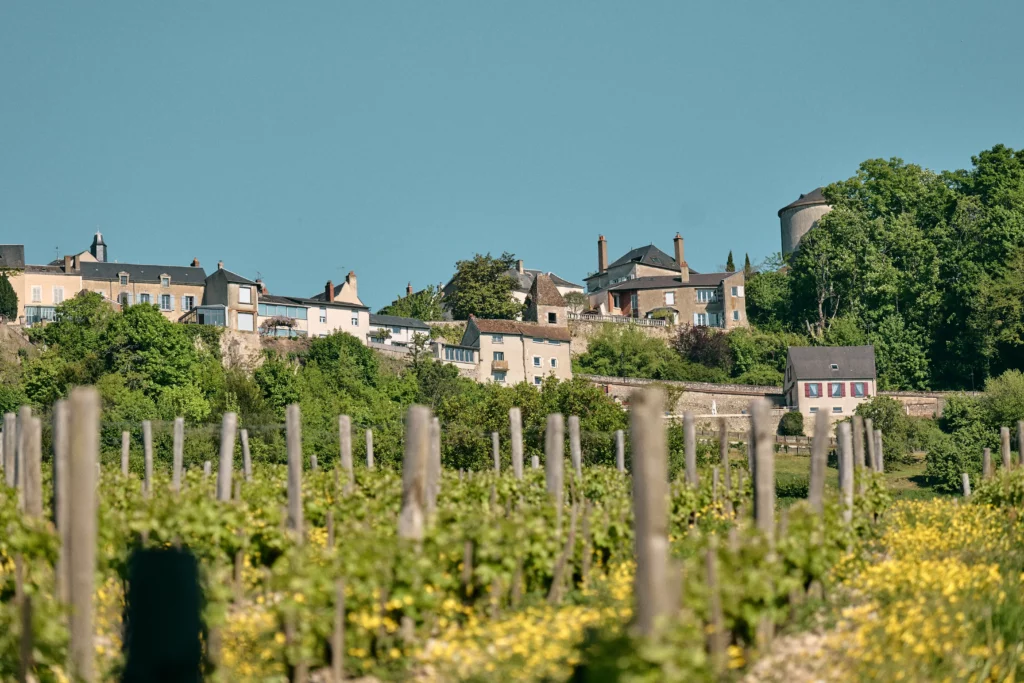
The Sancerre vineyard lies on a patchwork of geological formations.
Three main soil types shape the landscape and influence the character of Sauvignon Blanc:
- Terres Blanches (clay-limestone): bold, structured wines with generous texture.
- Caillottes (stony limestone): elegant wines, floral and refined.
- Flinty soils: taut, linear wines with pronounced minerality.
This diversity gives Sancerre a rare range of styles, while preserving coherence through its temperate climate and iconic varietal.
Flint: a key factor in Sancerre’s signature taste
The physical properties of flint
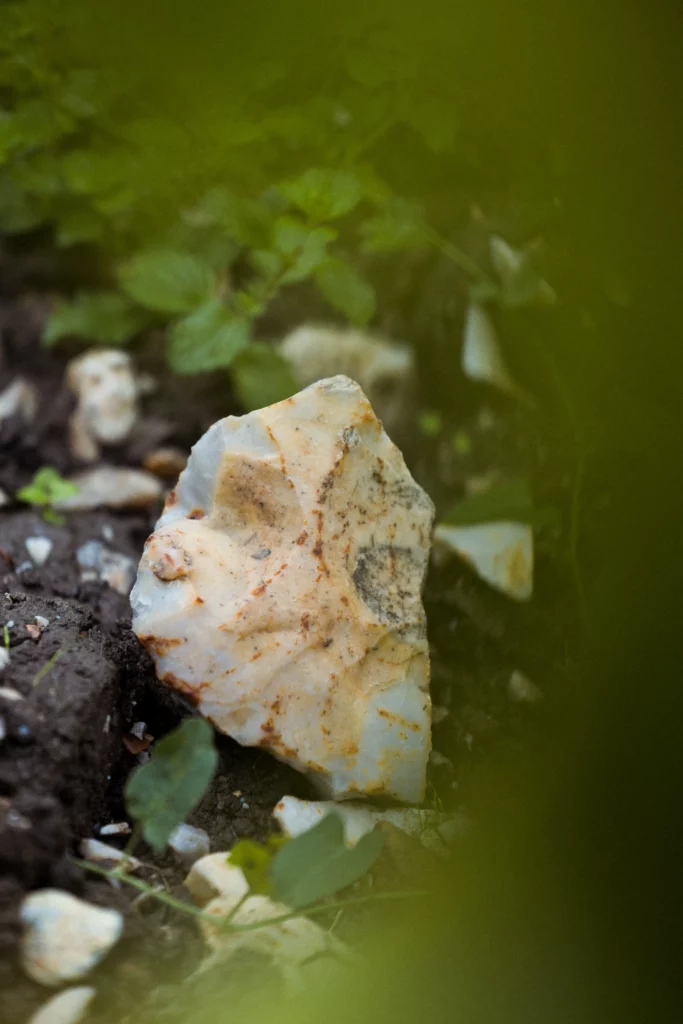
Flint acts as a natural regulator of heat and water.
- It stores daytime heat and releases it at night, promoting slow and even ripening.
- It drains water efficiently, avoiding stagnation and inducing moderate water stress.
- This stress encourages vines to develop deeper roots, improving mineral uptake.
These combined conditions concentrate aromas in the grapes while preserving their natural acidity—both crucial to Sancerre’s balance.
Impact on grape composition
The microclimate created by flint soils influences:
- organic acid levels, ensuring freshness and tension;
- the concentration of aromatic compounds typical of Sauvignon Blanc;
- the wine’s structure, often linear and defined.
A distinctive sensory signature
Wines from flint terroirs typically display:
- a smoky, citrusy nose, reminiscent of struck flint;
- a focused, taut palate, with no excess alcohol or roundness;
- a saline, persistent finish.
These markers define the sensory signature of top-tier flinty Sancerres.
Lestang 1573: a pure flint expression in the heart of Sancerre
Located in the heart of Sancerre’s “golden triangle”, Château de Lestang cultivates vines exclusively on pure flint terroir.
This singular location offers a real-time demonstration of how soil composition shapes wine aromas and texture.
Lestang 1573 follows an agroecological, low-carbon approach certified by ADEME, including:
- eliminating synthetic inputs,
- hand harvesting,
- and natural fermentation using neutral yeasts.
Its two flagship cuvées offer complementary interpretations of the same terroir:
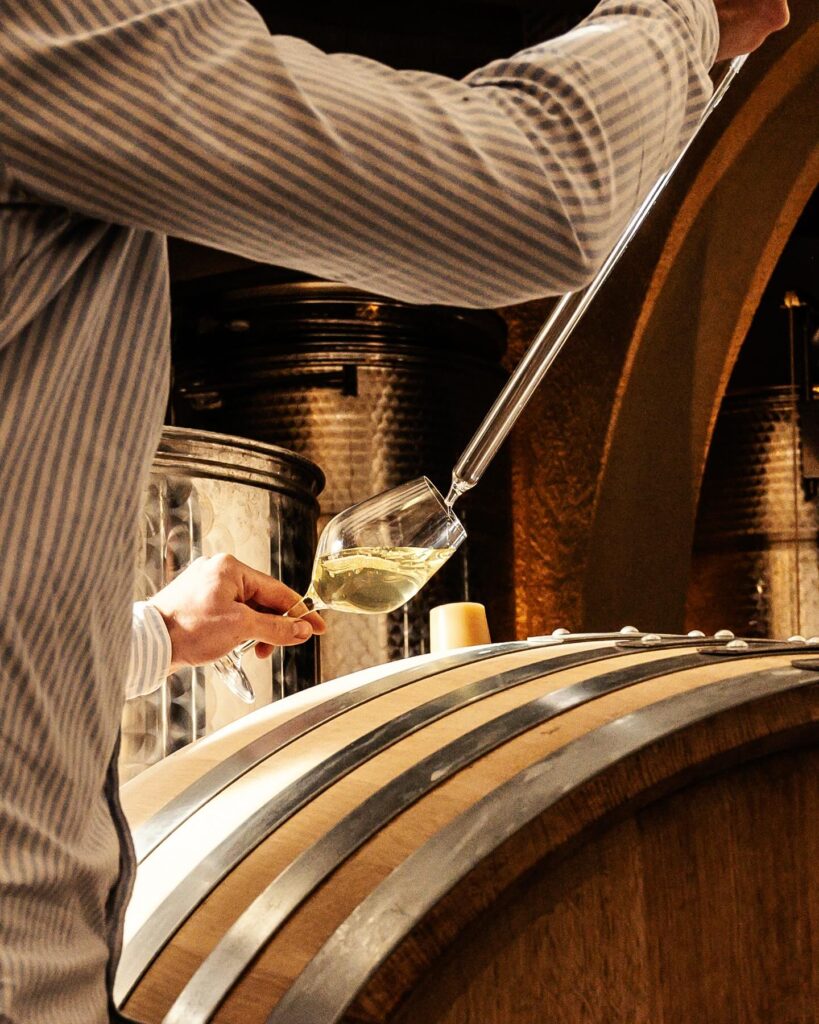
- Tradition — aged 12 months on fine lees in stainless steel tanks, showcasing tension and aromatic purity.
- L’Illustre Voyageur — aged 12 months in large oak demi-muids with bâtonnage, revealing a more structured and layered expression.
These winemaking choices aim to preserve the natural expression of flint, avoiding dominant oak or artificial stylistic markers.
In addition, their sustainable viticulture practices in Sancerre are integral to this philosophy.
How to recognize a flint-based Sancerre
You can identify a flint-influenced Sancerre by its tasting profile:
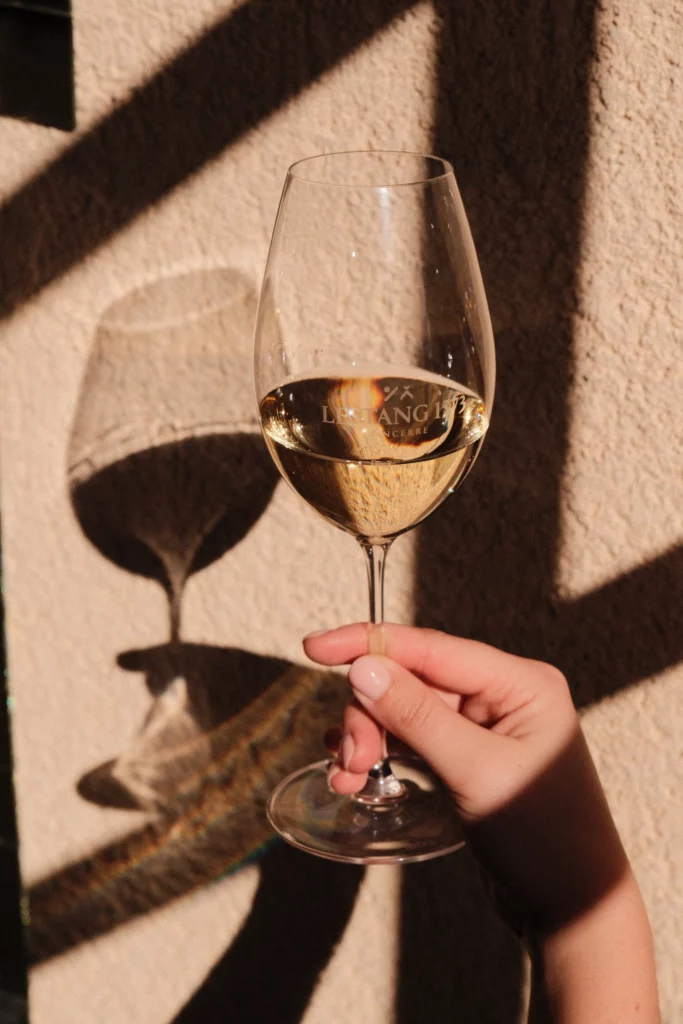
- Appearance: pale, clear, and luminous.
- Nose: aromas of flintstone, lime zest, sometimes light smoke.
- Palate: straight, vibrant tension, with a lingering saline finish.
This style pairs beautifully with shellfish, white fish, or Crottin de Chavignol—a traditional Sancerre pairing.
How flint shapes minerality in Sancerre
Flint doesn’t flavor the wine directly—it creates specific physical conditions:
drainage, thermal regulation, deep rooting.
These factors influence vine physiology and grape chemistry, resulting in wines with a distinct, vibrant, and balanced minerality.
This interaction of soil and climate is expressed clearly in every cuvée.
Flint isn’t just a metaphor—it’s the very foundation of Lestang’s identity.
FAQ
What does minerality mean in a white wine?
Minerality refers to sensations of freshness and tension, often accompanied by flinty aromas. It relates to soil composition, climate, and the wine’s acidic structure.
Why does flint influence the taste of a Sancerre?
Flint alters soil temperature and moisture, affecting grape ripening. This results in wines with greater purity, precision, and aromatic tension.
How can you identify a flinty Sancerre?
A flinty Sancerre typically offers a smoky nose, a taut and focused palate, and a saline finish—hallmarks of freshness and vivacity rooted in this specific terroir.