


In the world of premium Sancerre Blanc, certain sensations linger: a subtle richness, a silky texture, a well-balanced mouthfeel. These qualities aren’t accidental — they result from meticulous work in the cellar: selecting the fine lees, controlling bâtonnage, and mastering the aging timeline.
At the heart of this artisanal approach lies a discreet yet essential element: fine lees. These microscopic particles, formed during fermentation, directly contribute to the wine’s texture and complexity.
In this article, we’ll explore how fine lees shape the personality of Sancerre Blanc, particularly the cuvées of Château de Lestang, where every aging decision is made to showcase the purity of our 100% flint terroir.
What are lees in winemaking? The hidden gem of the cellar
From vine to tank: where lees come from
At the end of fermentation, a natural deposit forms at the bottom of the tanks — the lees. This sediment, made up of dead yeast cells and grape particles, is rich in aroma precursors and structural compounds. Far from being mere waste, it’s a precious resource for texture and wine stability.
Fine vs. coarse: a critical distinction
Coarse lees are heavier and removed early, as they can release off-flavors or reduce freshness.
Fine lees, on the other hand, are light and nutrient-rich. They contain proteins, polysaccharides, and mannoproteins — all of which feed the wine and enhance its texture. These are the lees that winemakers choose to keep for aging.
Aging on fine lees: the pillar of artisanal Sancerre winemaking
Racking: the first step in selection
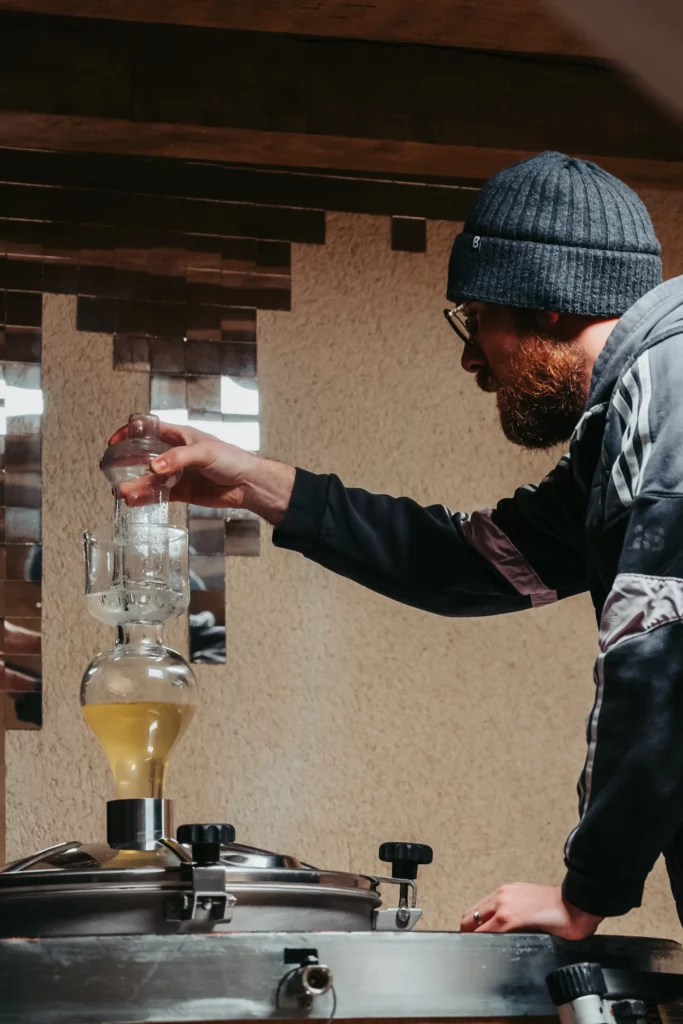
After fermentation, the wine is carefully racked to separate the clear juice from the coarse lees. Only the fine lees are kept — they’ll support long, nuanced aging.
This process requires precision and respect for the fruit: a measured, hands-on approach that directly shapes the wine’s final mouthfeel.
Bâtonnage: the precise gesture that transforms everything
During aging, the lees are periodically stirred back into suspension — a process known as bâtonnage. Whether done by hand or by rotating the barrel, this technique harmonizes the wine’s texture and releases aromatic compounds.
The frequency of bâtonnage is adjusted depending on the vintage and barrel tastings: too much, and the wine becomes heavy; too little, and it remains austere.
→ To dive deeper into aging techniques, read Aging Sancerre Blanc: Oak Barrel or Stainless Steel? What’s the Difference?
Aging duration: a strategic decision
Depending on the desired style, aging on fine lees can last from several months to over a year.
At Lestang 1573, patience is part of our signature. Each cuvée spends 12 months on fine lees, followed by another 12 months in bottle. This 24-month cycle allows the wine to gain depth, balance, and natural stability.
The tangible benefits: enhancing the texture of white wine
Richness and volume: the effects of autolysis
Over time, fine lees begin to break down in a process called autolysis. Yeast cells release mannoproteins that gently coat the palate and create the natural roundness characteristic of great Sancerres.
The result: a wine that’s broad yet crisp, balancing volume with freshness.
Aromatics that go beyond the grape
Lees aging doesn’t just affect mouthfeel — it deepens the aromatic profile. To the Sauvignon Blanc’s primary notes (citrus, white fruit, flowers), it adds hints of toasted bread, fresh butter, and hazelnut.
These subtle layers reflect time spent on the lees — a slow evolution, free of heavy oak influence.
Natural protection and improved cellaring potential
Fine lees also consume dissolved oxygen, acting as a natural antioxidant. This reduces the need for added sulfur and strengthens the wine’s stability.
It’s a philosophy we stand by: artisanal, sustainable winemaking that respects the living material of the wine.
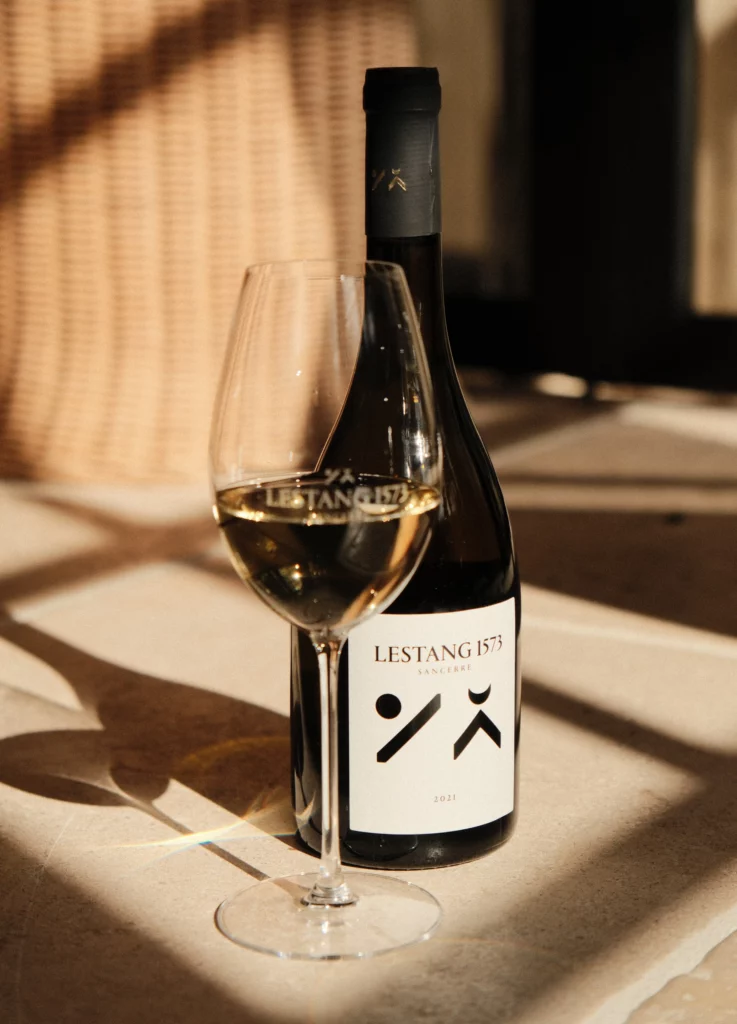
In Sancerre, lees aging enhances the minerality of Sauvignon Blanc
Sauvignon Blanc naturally expresses tension and energy in Sancerre. Lees aging helps round out its sharper edges without compromising purity.
On our 100% flint terroir, this approach reaches its full potential: flinty minerality, with its salty brightness, is beautifully complemented by the roundness imparted through lees contact.
The result is a perfect harmony of tension and texture — and both of our flagship cuvées illustrate this balance:
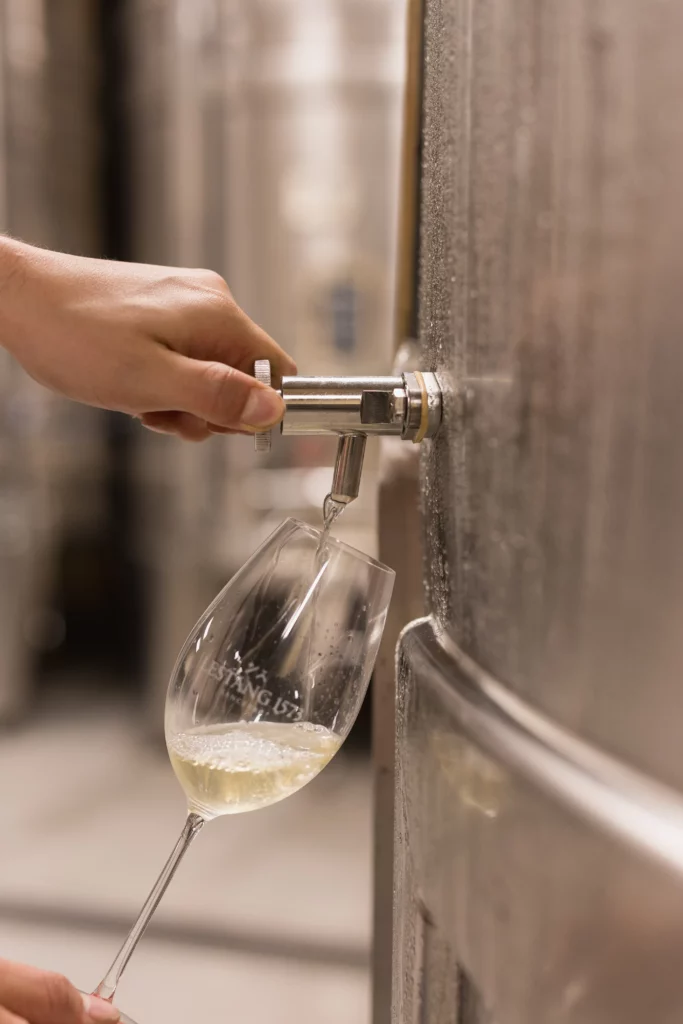
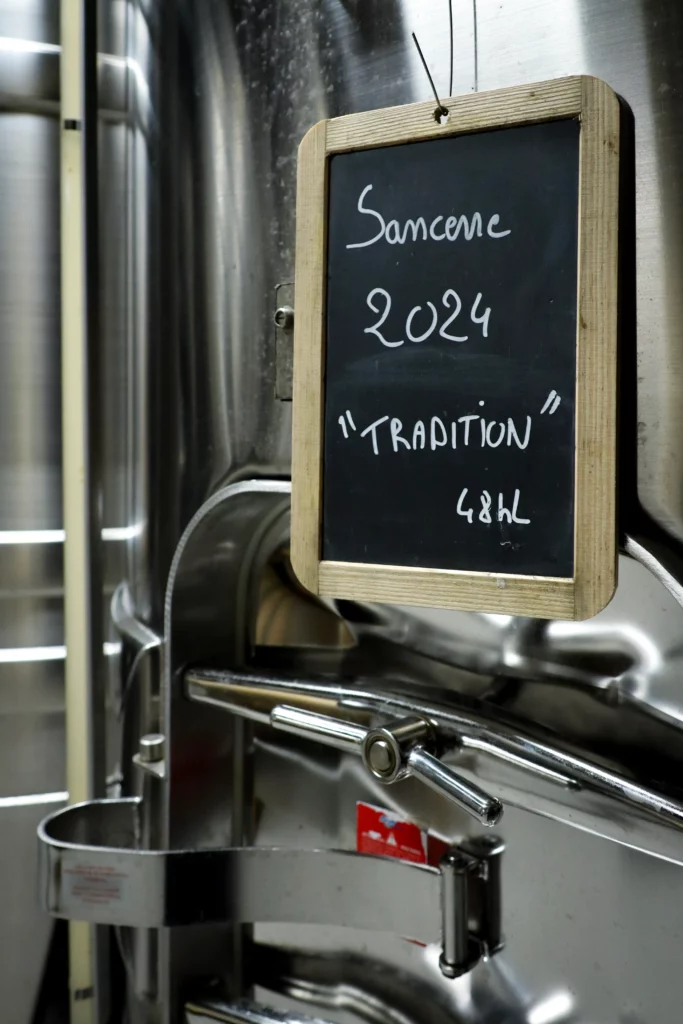
- Tradition: aged in stainless steel on fine lees for 12 months, then matured in bottle for a year. It delivers a crisp, focused profile, with citrus notes and a distinctive flint character.
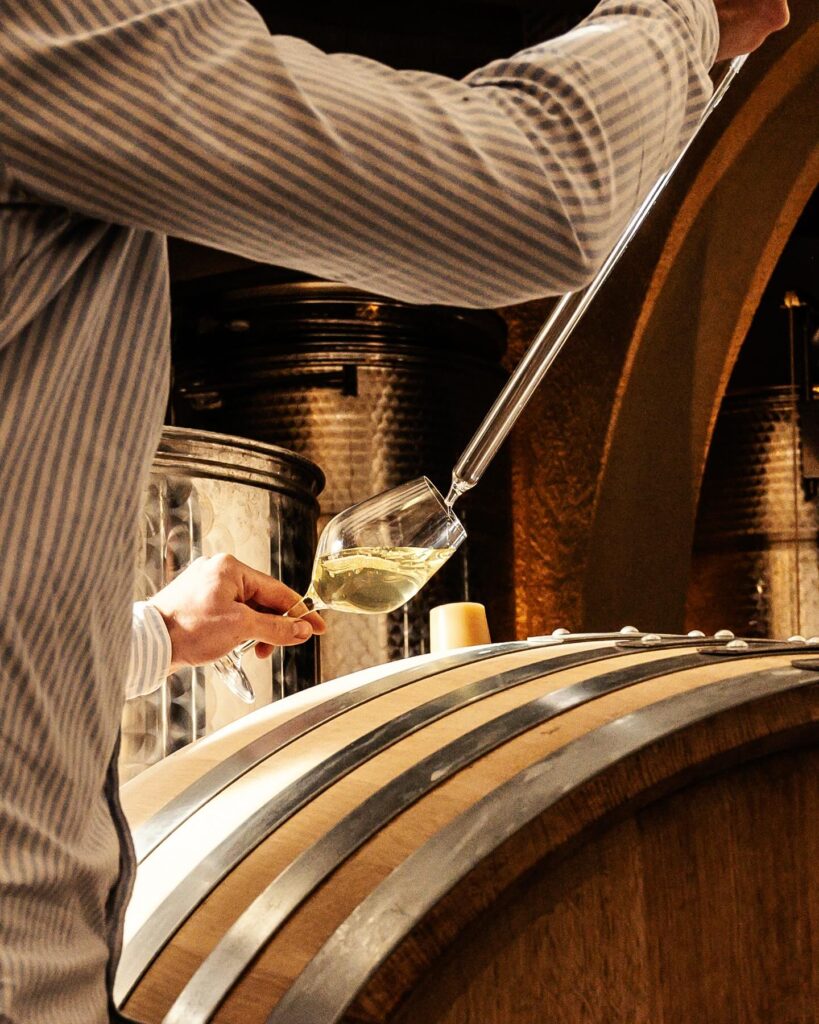
- L’Illustre Voyageur: sourced from old vines, aged on lees for 12 months in 600L oak demi-muids, with regular bâtonnage and gentle micro-oxygenation. It captivates with its silky texture, aromatic complexity, and exceptional aging potential.
Two complementary expressions of the same flint terroir — both driven by precision and time.
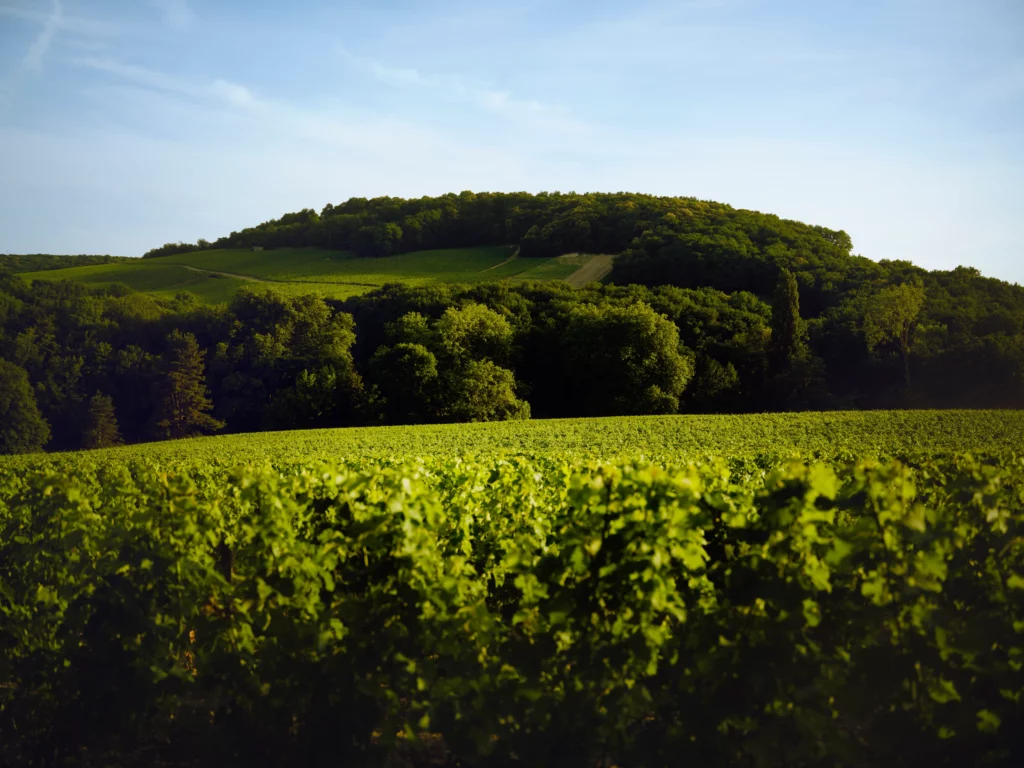
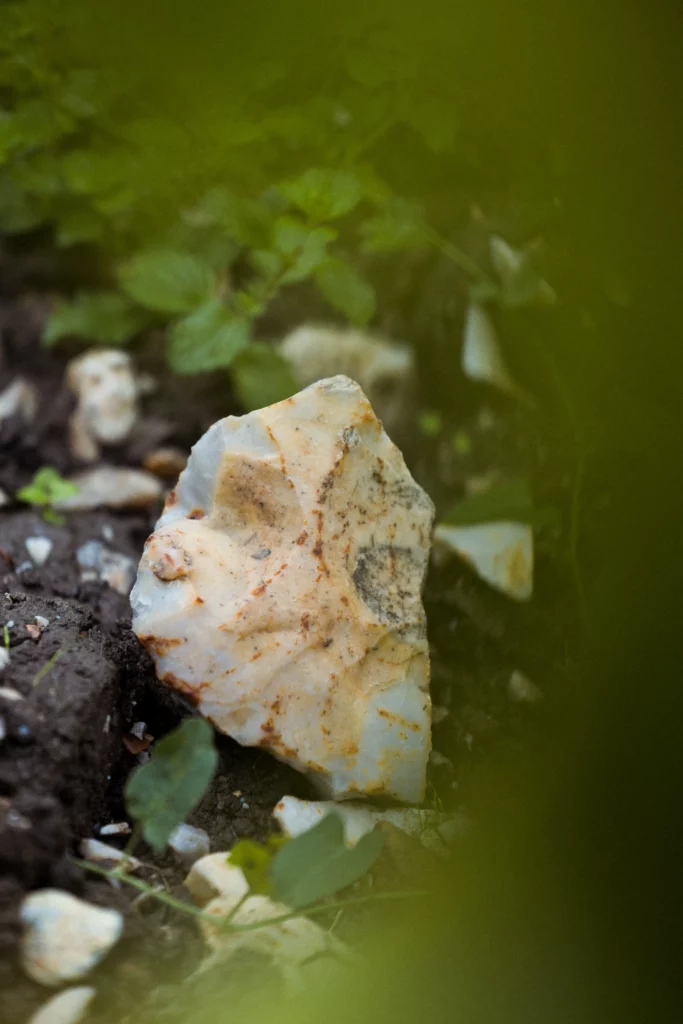
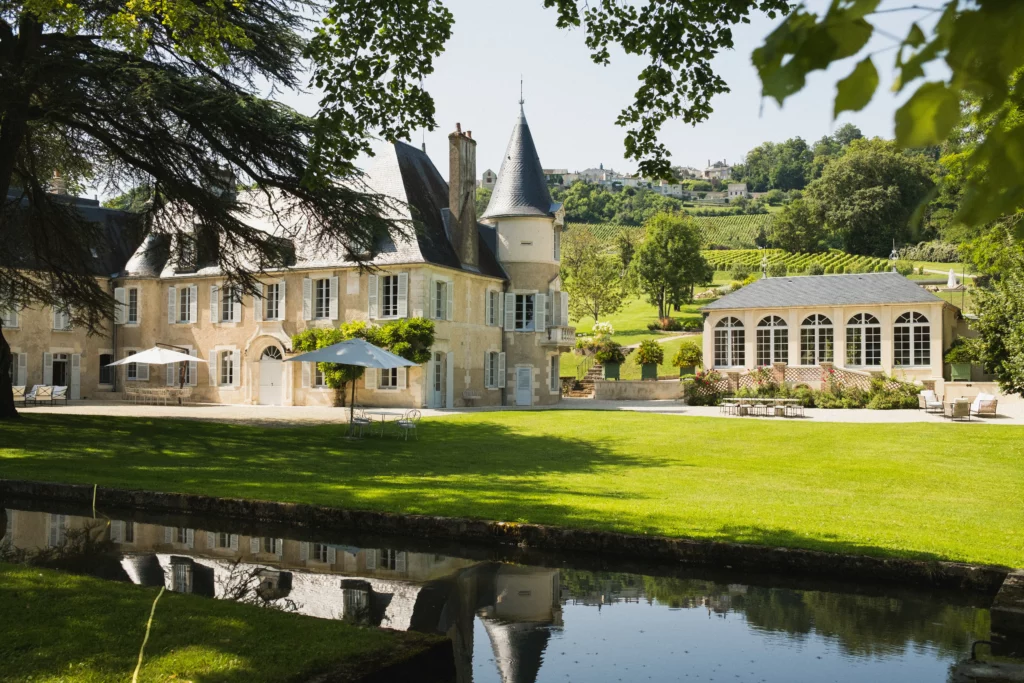
Curious how terroir, climate, and cellar work interact? Explore our 100% flint vineyard.
Conclusion: patience as the key to elegance
Fine lees aren’t winemaking waste — they’re a vital ingredient in shaping great white wines.
Mastering them requires discipline and close observation. At Château de Lestang, every step — racking, bâtonnage, aging — is designed to highlight the purity of Sancerre Blanc and the minerality of flint.
Certified Low Carbon (ADEME) and committed to organic viticulture, Lestang 1573 favors long, natural aging methods that reflect the essence of its terroir.
This slow process yields wines with velvety textures, strong stability, and unmistakable identity.
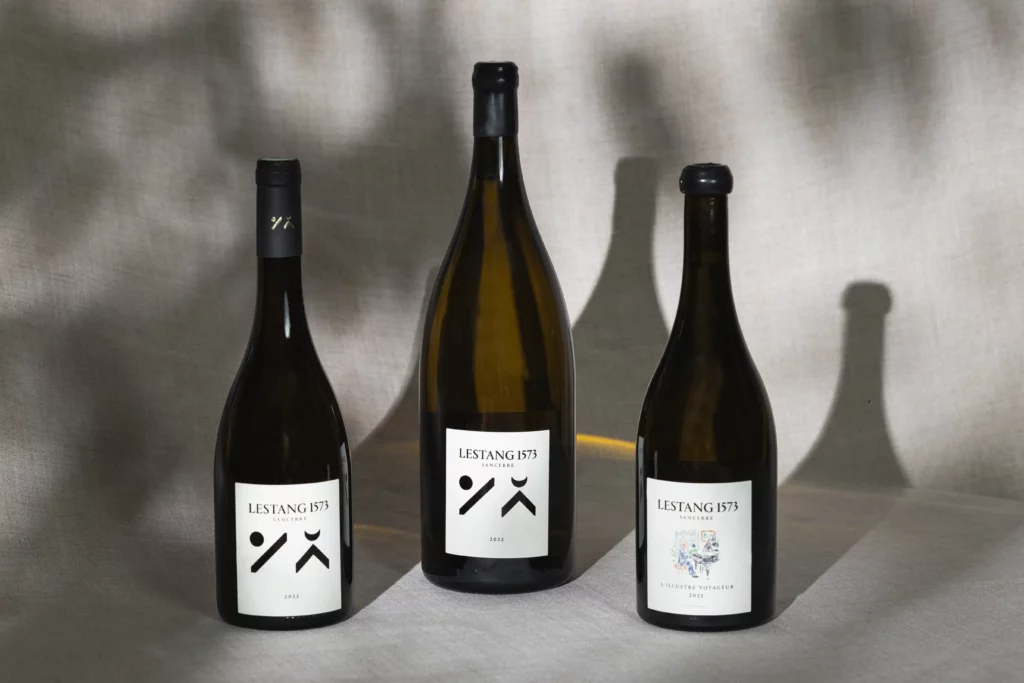
Want to experience that texture for yourself? Discover our cuvées Tradition and L’Illustre Voyageur, where time and precision make all the difference.
FAQ – All about fine lees
What is bâtonnage?
Bâtonnage is the act of stirring fine lees back into the wine during aging. It enhances mouthfeel and adds aromatic complexity.
How long are Lestang 1573 wines aged on lees?
About 12 months on fine lees, followed by another year in bottle — a full 24-month aging cycle before release.
What effect does it have on texture?
As the lees break down, they release mannoproteins that add richness, softness, and oxidation resistance — resulting in greater aging potential.
Want to go deeper? Read From Vine to Cellar: What Happens After Harvest in Sancerre? to explore the full winemaking journey.