


The label on a bottle of wine is far more than a mere visual presentation: it encodes a true language, reflecting the history, terroir, and craftsmanship that define this precious nectar. For both enthusiasts and connoisseurs, deciphering these details unlocks a vastly enriched tasting experience. Let us dive into the captivating world of labels through the lens of the exceptional wines of Lestang 1573, a viticultural jewel of the Sancerre region.
A Venue Rooted in History and Terroir
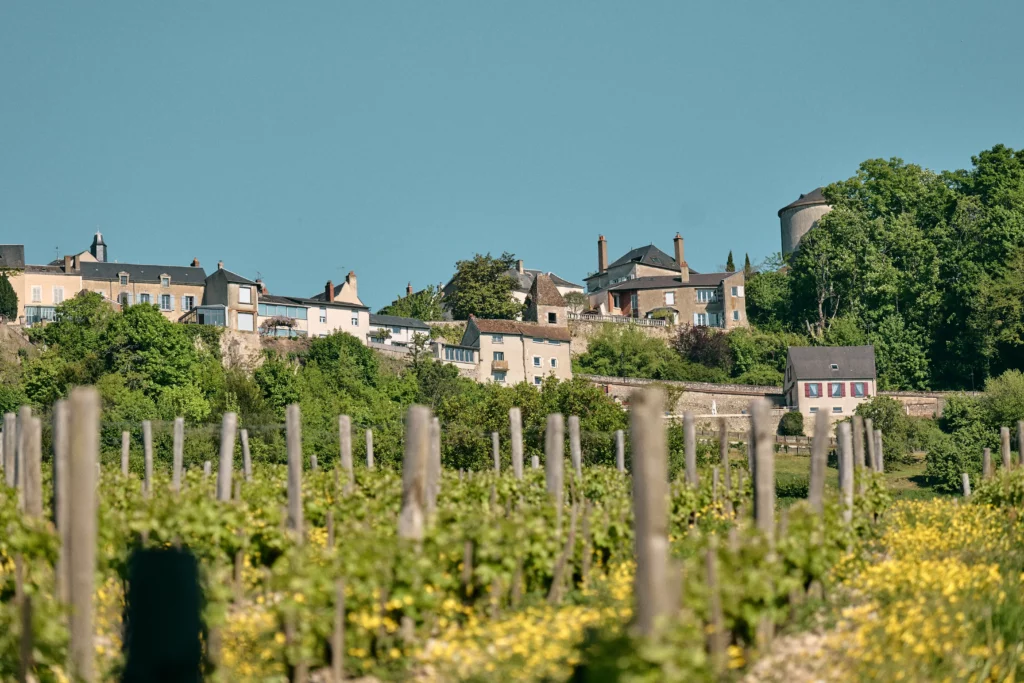
The Château de Lestang enjoys a privileged location at the foot of the majestic Sancerre hill, right in the golden triangle of this prestigious appellation. This sumptuous estate, first mentioned in 1573—hence its evocative name—carries forward an exceptional winemaking heritage in a remarkable setting where history and nature intertwine harmoniously.
What truly sets the wines of Lestang 1573 apart is their 100% flint terroir, a geological signature that imparts striking minerality and unrivaled finesse. These flints capture daytime heat and release it slowly overnight, promoting optimal ripening of the Sauvignon Blanc grapes and enabling the creation of wines with an enchanting complexity.
Decoding a Sancerre Label: Essential Elements
Producer Identity
At the top of the label appears the name “Lestang 1573”, a prestigious signature that instantly signals the wine’s origin. Far from being a mere logo, this designation forges a tangible link to the estate’s centuries-old history while affirming its modern rebirth under its current owner.
Appellation and Its Prestige
The mention “Sancerre AOP” (Protected Designation of Origin) guarantees that the wine strictly adheres to the region’s demanding specifications. For a white Sancerre, this means the exclusive use of Sauvignon Blanc grown according to rigorous methods on the appellation’s specific terroirs.
Vintage: A Testament to the Year’s Climate
The year printed on the label tells more than just a date: it narrates the climatic particularities of that vintage and their impact on the wine’s character. The 2021 and 2022 vintages of Lestang 1573 perfectly illustrate this diversity:
- 2021 stands out for its mineral freshness and delicate citrus notes.
- 2022, sunnier, unveils an aromatic palette leaning toward yellow and exotic fruits, while preserving a remarkable balance thanks to lively acidity.
Cuvées: Expressing the Winemaker’s Art
We primarily produce two distinct cuvées, each a mirror of the Château’s oenological philosophy:
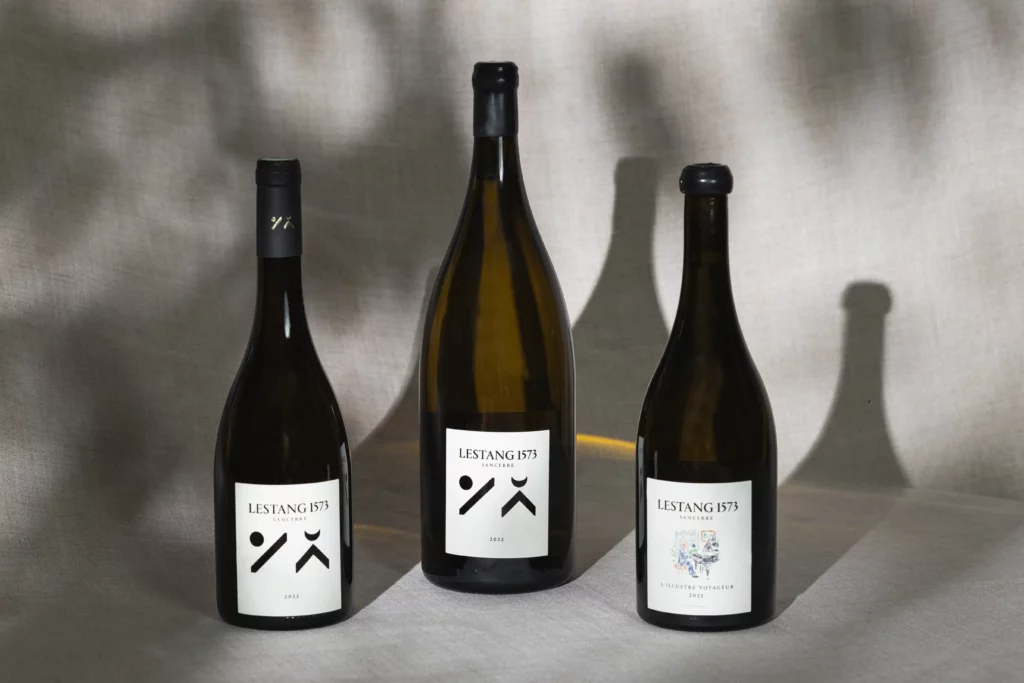
- The “Tradition” Cuvée
- Crafted in stainless steel vats with a six-month lees ageing, followed by six more months of refinement.
- After a full year of bottle rest, it reaches optimal stability, revealing a subtle balance between citrus and white-fleshed fruit, underpinned by a stone-like minerality—the authentic signature of Sancerre.
- The label of this cuvée proudly bears the Château’s historic coat of arms, a symbol of elegance and tradition that also serves as the estate’s official logo.
- The “L’Illustre Voyageur” Cuvée
- This confidential edition, produced in extremely limited quantities (only 1,478 bottles in 2021 and 1,470 in 2022), comes from the oldest Sauvignon Blanc vines on the estate. These venerable vines yield grapes with exceptional aromatic concentration.
- Its label, a true work of art by Michael McGregor, tells the historic friendship between Jean-Guillaume Hyde de Neuville—known as “the vigneron de Lestang”—and the writer François-René de Chateaubriand, affectionately called “the Illustrious Traveler.” Each vintage features a different scene:
- 2021 label: a pastoral picnic beneath the sequoia planted by Chateaubriand himself.
- 2022 label: an intimate musical moment at the piano inside the Château.
- To taste, this wine rests one year in old oak demi-muids on lees, with regular stirring, followed by one additional year of bottle ageing. On the palate, it reveals an entrancing complexity where flint minerality harmonizes with notes of elderflower and Granny Smith apple, enriched by subtle verbena undertones. The delicate bitterness on the finish brings remarkable length.
Technical and Legal Mentions
On the back label you will find essential information:
- “Bottled at the Château”: an undeniable guarantee that the entire winemaking process took place on site.
- Volume: typically 75 cl for a standard bottle.
- Alcohol by Volume: the alcohol percentage.
- “Contains Sulfites”: a mandatory note, even though we practice natural winemaking with minimal sulfite use.
Environmental Commitment: Beyond the Label
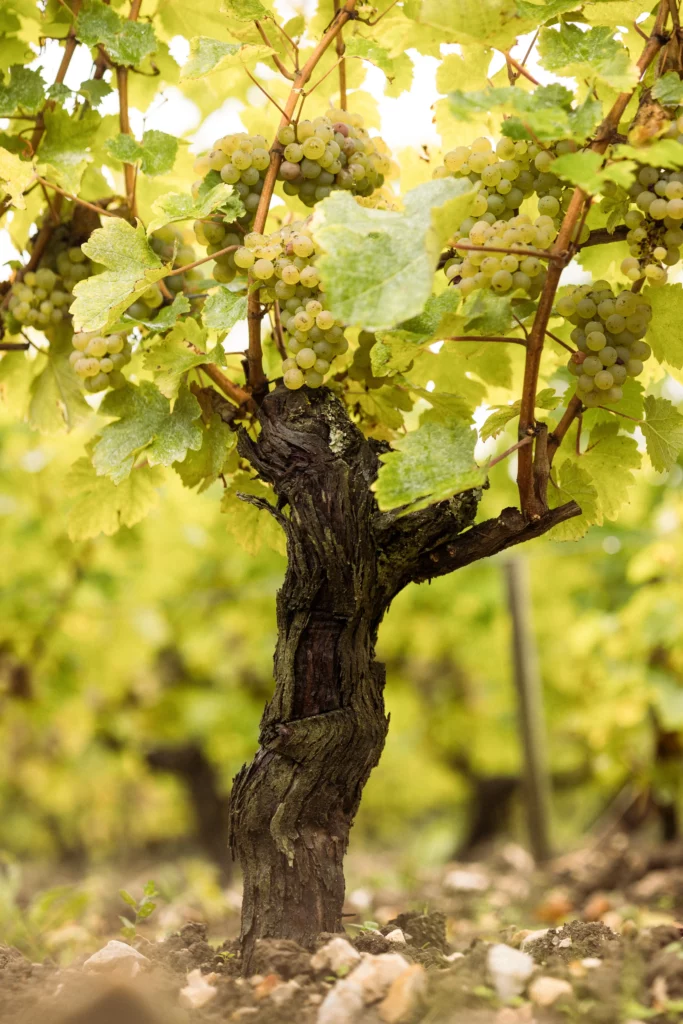
While a label cannot convey every aspect of a wine’s creation, it’s crucial to highlight that the Château de Lestang is an exemplary model of environmentally respectful viticulture. The first independent estate in Sancerre to be carbon-neutral certified by ADEME, Lestang 1573 cultivates its vines according to strict agroecological principles, fostering biodiversity with over 1,200 metres of hedges and 136 species of trees and shrubs.
All vineyard work, including harvest, is done exclusively by hand, in absolute respect of the fruit and the terroir. This philosophy even extends to using lighter recycled-glass bottles, reducing the carbon footprint of transport.
Tips to Fully Appreciate a Sancerre from Lestang 1573
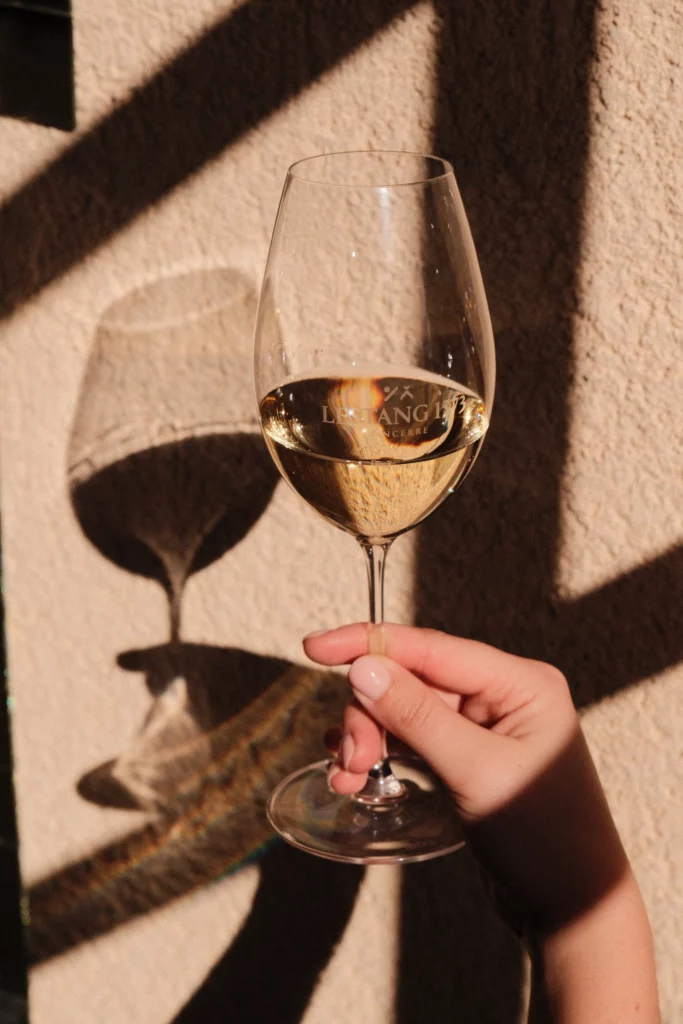
Ideal Serving Temperature: between 10 °C and 12 °C to preserve freshness while allowing aromas to fully express themselves.
Aeration: the “Tradition” cuvée can be enjoyed upon opening; the “L’Illustre Voyageur” benefits from 15–20 minutes of breathing to reveal its full complexity.
Food Pairings:
“Tradition”: perfect with seafood, grilled fish, or Crottin de Chavignol.
“L’Illustre Voyageur”: pairs wonderfully with lobster, turbot, or even creamy poultry dishes.
A Viticultural Heritage to Discover
The wines of Lestang 1573 perfectly illustrate how a label can serve as the opening chapter of a fascinating story, blending historic heritage, exceptional terroir, and environmental commitment. Each bottle conveys far more than just wine: it invites you on a sensory journey through one of France’s most beautiful terroirs, where tradition and innovation intertwine harmoniously to give rise to cuvées of rare elegance.