


When facing a bottle of white wine, have you ever wondered what separates a good wine from a truly great one?
This distinction—often perceived as the domain of professionals—is in fact based on precise sensory indicators that any attentive wine lover can learn to recognize.
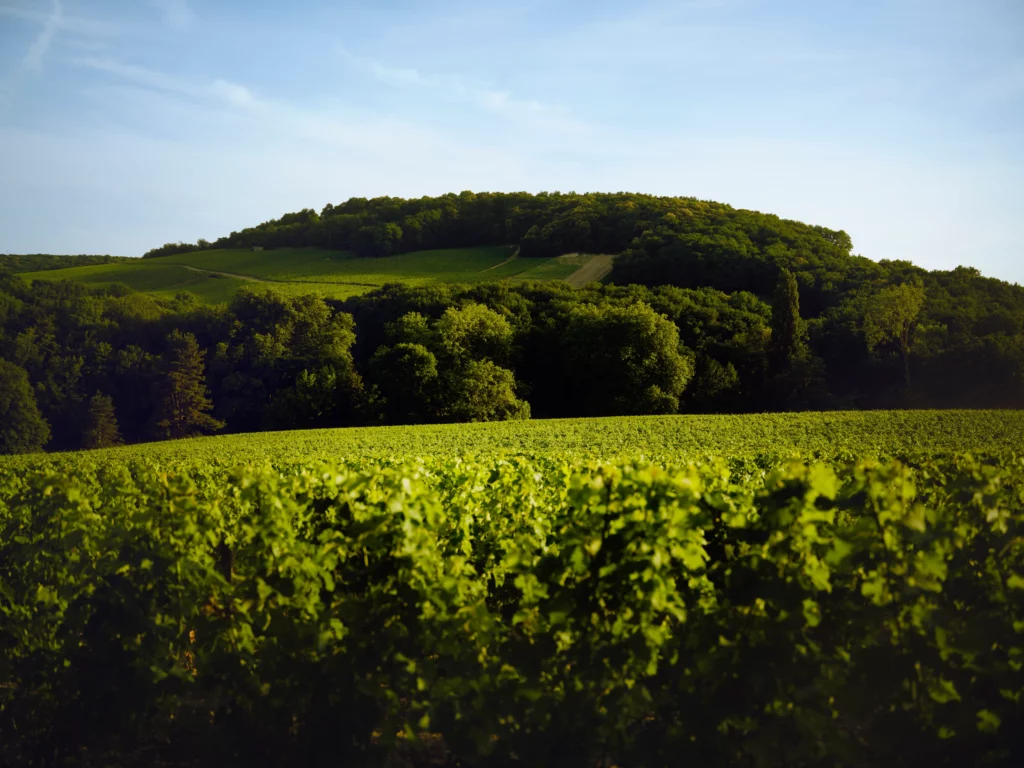
Crafted from Sauvignon Blanc, the flagship grape of Sancerre, this wine fully reflects the purity and tension of the Loire Valley’s terroir.
A great white wine stands out for its balance, complexity, length on the palate, and its ability to express its terroir. These qualities aren’t subjective; they’re revealed through concrete signs you can observe at each stage of the tasting.
Beyond taste: what truly defines an exceptional white wine?
Three core pillars underpin the quality of a great white wine:
| Pillar | Definition | What it reveals |
|---|---|---|
| Balance | Harmony between acidity, alcohol, and body | Controlled structure and precise winemaking |
| Complexity | Aromatic depth that evolves on the nose and palate | Clearly expressed grape variety and terroir |
| Length | Intense lingering flavors after the sip | Concentration and meticulous craftsmanship |
These criteria are closely linked to terroir and viticultural practices.
In Sancerre, for instance, soils made of flint, caillottes, and terres blanches each lend their own character—mineral tension, floral elegance, or richness on the palate. This dialogue between nature and craftsmanship is what shapes the identity of great white wines.
Flint, the iconic stone of the Sancerre region, absorbs heat during the day and releases it at night, promoting slow, balanced ripening. It lends the wine a signature crystalline tension and a smoky minerality that’s unmistakably tied to its origin.
The 5 sensory clues that reveal a truly great white wine
1. Visual cue: clarity and expressive tears
Tasting always begins with the eyes.
A great white wine displays a clear, brilliant robe with no haze. This clarity signals careful, stable vinification.
Brightness indicates freshness: a wine that captures and reflects light usually retains well-preserved acidity—a hallmark of vitality.
Next, observe the color:
- Green or silvery highlights often suggest a youthful, lively wine.
- Golden tones point to age or oak maturation.
Finally, swirl the glass gently and watch the “tears” (or “legs”)—the streaks of wine that run down the inside. Their thickness and slowness reflect higher levels of glycerol and alcohol, contributing to roundness and body. The slower they fall, the richer and fuller the wine.
2. Olfactory cue: a pure and layered nose
The nose is one of the most reliable markers of a great white wine.
Unlike a simple wine, an exceptional one reveals multiple aromatic layers, unfolding gradually with each sniff:
- Primary aromas from the grape: fresh fruit, white flowers, citrus.
- Secondary aromas from fermentation: brioche, yeast, fresh butter.
- Tertiary aromas from aging: honey, dried fruit, sweet spices, smoky minerality.
A great nose is marked by measured intensity and flawless purity (no oxidative or off-notes).
The clearer these aromatic layers appear, the more they reflect skilled winemaking and strong aging potential.
3. Taste cue: perfect balance on the palate
Structure truly comes to life in the mouth.
A great wine shows perfect balance among three elements:
- Acidity, the backbone, brings freshness and energy. It should be vibrant, never harsh.
- Alcohol, which provides roundness and body. It should support, not overwhelm.
- Texture, which gives weight and depth—a tactile sensation on the tongue.
When these elements interact without dominating, the wine achieves precision and harmony. This balance is usually the result of careful attention both in the vineyard and in the cellar.
4. Aromatic persistence: a finish that tells a story
One of the most telling signs of a great white wine is its length on the palate, also known as Intense Aromatic Persistence (IAP).
After swallowing (or spitting), the flavors should linger for several seconds.
This duration is measured in caudalies (1 caudalie = 1 second):
- Average wine: 3 to 5 caudalies.
- Great white wine: 8 to 12 caudalies, or more.
This “peacock’s tail” of aromas—how the flavors open and spread after the sip—reveals both grape concentration and winemaking precision.
A flint-grown Sancerre, for example, will leave a lasting saline, mineral imprint, emblematic of its terroir.
5. Emotion: the ineffable “wow” factor
Beyond technical markers, a great white wine elicits emotion.
This isn’t vague sentimentality; it arises from a coherent whole: balance, aromatic depth, texture, and finish.
A great wine is digestible, fluid, and makes you want to come back for more.
This sense of completeness often comes from finely tuned acidity and perfectly integrated texture.
Another reliable sign? Aging potential.
A white wine that improves over time has strong structure, integrated acidity, and enough complexity to evolve gracefully.
A great terroir in action: our philosophy at Lestang 1573
These five sensory clues fully manifest in the most precise terroirs.
At Lestang 1573, located in the heart of Sancerre’s “golden triangle,” our pursuit of balance and refinement guides every step of the process:
- Hand-harvesting to select only the finest grapes.
- Parcel-based vinification to capture the nuance of each flint-rich plot.
- Aging on fine lees, enhancing both texture and complexity through natural yeast contact.
The resulting wines deliver a chiseled freshness (clue #3), a pure, precise nose (clue #2), and a persistent saline finish(clue #4).
Reliable hallmarks of a truly great white wine.
Your turn: how to host a high-end tasting at home
To fully appreciate a great white wine, the tasting environment matters:
- Use tulip-shaped glasses to concentrate the aromas.
- Serve between 10–12°C (50–54°F) for a balance of freshness and aromatic expression.
- Avoid ambient or personal fragrances.
- Choose a quiet, well-lit setting.
Ready to sharpen your senses? Explore our cuvées and discover, sip by sip, what sets a great terroir-driven white wine apart.
Frequently asked questions about identifying great white wine
Is an expensive wine always a great wine?
Not necessarily. Price doesn’t always reflect sensory quality. Some affordable wines are outstanding, while some high-end bottles can disappoint. Sensory clues are a far more reliable guide.
What’s the ideal serving temperature for a fine white wine?
Generally, between 10–12°C (50–54°F). This range preserves freshness while allowing aromatic complexity to shine. Lighter, younger wines may benefit from slightly cooler temperatures; oaked whites often do better a bit warmer.
How does Sancerre’s terroir enhance wine quality?
Flint and limestone soils contribute distinct minerality and vibrant tension. Flint also acts as a natural heat regulator, helping grapes ripen in balance.
How can I tell if a wine is well-balanced?
A balanced wine feels harmonious on the palate: no single component—acidity, alcohol, or sweetness—overshadows the others. The wine feels structured yet smooth from start to finish.
What are common flaws in white wine?
Key faults include:
- Cloudiness or haze
- Cork taint (musty smell)
- Harsh volatile acidity
- Imbalanced or heavy mouthfeel
These signs are usually noticeable, even to a novice with an attentive palate.